Malta IMA Tang Soo Do 몰타당수도 
  • Home
    • Contact Us
    • Dae Grandmaster Ki Yun Yi
    • The IMA
    • Grandmaster S, Nar
    • European Tang Soo Do Federation
  • About us
    • Tang Soo Do Is a Martial Art and Not a Sport
    • Clubs >
      • Mtarfa Club 명류 / 名流
      • Zejtun Do-Jang
      • Naxxar DoJang 心 功
    • Instructors >
      • Master Wallace >
        • 7 Golden Ruls in life
      • Mr Attard
      • Mr Curmi
      • Mr Portelli
  • Students Section
    • Sparring Safely
    • No Jewelry Rule
    • Etiquette 예의 >
      • 5 Code Spirits and 7 Tenets
      • Late for class
    • Membership
    • Grading application
    • Hyungs 형 >
      • Kicho Hyungs >
        • Kicho Hyung Il Bu 기초형 일부
        • Kicho Hyung E Bu 기초형 이부
        • Kicho Hyung Sam Bu 기초형 삼부
      • Pyung Hwa Forms >
        • Pyung Hwa Cho Dan 평안초단
        • Pyung Hwa E Dan 평안이단
        • Pyung Hwa Sam Dan 평안삼단
        • Pyung Hwa Sa Dan 평안사단
        • Pyung Hwa O Dan 평안오단
      • Pal Che Hyungs >
        • Pal Che 발새 큰
        • Pal Che Dae 발새 소
      • Kuk Jae Hyungs >
        • Kuk Jae Hyung Il Bu
        • Kuk Jae Hyung E Bu
        • Kuk Jae Hyung Sam Bu
        • Kuk Jae Hyung Il Jang
        • Kuk Jae Hyung E Jang
        • Kuk Jae Hung Sam Jang
      • Weapons >
        • Bong 장봉
      • Download
    • Techniques >
      • Gibon (기본) - Line work
      • Ki Hap
      • Stretching
      • Breathing
      • Kicks >
        • Front Kick
        • Jump Front Kick
        • Turning Kick
        • Jump Turning Kick
        • Jump Around Turning Kick
        • Turning Side Kick
        • Back Kick
        • Axe Kick
        • Twisting Kick
        • Side Kick
        • Crescent Kick Inside to out
        • Crescent Kick Outside to Inside
        • Hook Kick
        • Spinning Hook Kick
        • 360 Degree Spinning Hook Kick
        • Jump Spinning Hook Kick
      • Strikes >
        • Elbow Strike
      • Blocks >
        • Low Block
        • High Block
        • Knife Hand
        • Outside to Inside Block
        • Double Arm Block
      • Stances
      • Conditioning >
        • Moo Shim- conditioning of the mind
      • Kyuk Pa - Breaking
    • Gradings >
      • CDB to 1st Dan
      • Red 1 stripe belt to CDB
      • Red belt to Red 1 stripe
      • Purple belt to Red
      • Brown belt to Purple
      • Blue belt to Brown
      • Green belt to Blue
      • Orange Belt to Green
      • Yellow belt to Orange
      • White belt to Yellow
    • Titles in Korean
    • Terminology >
      • Do Jang & Do Bok
      • History of Tang Soo Do
      • History >
        • Bowing
        • Moo Do Jaseh
        • Muye Dobo Tongji
        • Kum Kang Ryuk Sa
        • Song of The Sip Sam Seh
        • Korea 한국 >
          • The Three Kingdoms of Korea 삼국시대 >
            • Goguryeo 고구려
            • Baekje 백제
            • Silla 신라
        • Great Grandmaster Hwang Kee
        • Hwarang Warriors
        • Moo Duk Kwan
      • Belt Tie
      • Philosophy of the Moo Do - 무도 >
        • Folding a Do Bohk
        • Mook Yum - Meditation >
          • History of Mook Yum
          • Do - Tao
        • 4 human developments
        • Philosophy of Belts
      • Korean Flag 태극기
    • Student progression tracker
  • Black belt Section
    • Black Belts Progress
    • Black belt grading guidelines >
      • General knowledge question papers
      • 1st Dan Syllabus to 2nd Dan
      • 2nd Dan Syllabus to 3rd Dan
      • 3rd Dan Syllabus to 4th Dan
      • Sword training 해동검도
    • Readings
    • Instructors Section
    • Leadership
  • 2025 Schedule
    • Warriors' Path >
      • Warrior Form
      • Consent Form

Welcome To
International Martial Arts Association

I.M.A

The International Martial Arts Association (I.M.A.) is a global family of martial artists dedicated to preserving and promoting the traditional Korean art of Tang Soo Do. At its heart, the I.M.A. is an organization of individuals, instructors, and schools whose shared mission is to advance Tang Soo Do while honoring its deep heritage, cultural roots, and time-honored traditions.

Founding and Vision

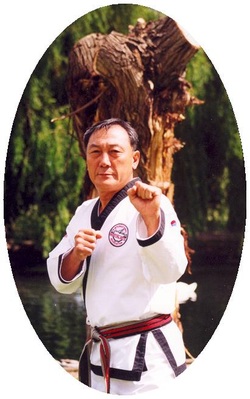
​The I.M.A. was founded in 1984 by Dae Grandmaster Ki Yun Yi, a 9th Dan master originally from South Korea who brought his deep knowledge and unwavering passion for Tang Soo Do to New Jersey, USA. From a single school, Grandmaster Yi's vision has expanded across four continents, with affiliated dojangs now found in North America, Europe, Asia, and Africa.

Yet, despite this global reach, the I.M.A. remains grounded in humility, integrity, and a strong sense of unity , values that define the Tang Soo Do spirit.

Leadership and Structure

The I.M.A. is led by Dae Kwan Jang Nim Ki Yun Yi, who serves as the president and technical head of the association. Under his leadership, a council of senior masters and instructors ensures that each member school maintains high standards of training, discipline, ethics, and student development.

The organization is structured to allow for both central guidance and local autonomy. Member schools operate within their communities with support from the I.M.A. in the form of:
​
  • Seminars and technical workshops
  • International grading and certification
  • Instructor training and mentoring
  • Annual global events, tournaments, and martial arts festivals
  • A shared curriculum and philosophy rooted in traditional Tang Soo Do

This balance allows each school to reflect the unique character of its community while remaining aligned with the global standards and vision of the I.M.A.

A Brotherhood of Purpose


What makes the I.M.A. special is not just the quality of its martial arts, but the spirit of brotherhood and purpose that runs through every affiliated school. The goal is not to be the biggest , but to be the most respected, principled, and service-driven Tang Soo Do organization in the world.
​
Each year, the I.M.A. continues to grow , not only in numbers, but in impact. Schools are drawn to the I.M.A. because of its commitment to:
  • High technical standards
  • Strong moral character
  • Cultural authenticity
  • A supportive, respectful global network

Martial Arts as Community Service

​One of the core beliefs of Dae Grandmaster Yi is that Tang Soo Do is not only for the individual , it is for the community. Every student is taught that martial arts must go beyond the dojang walls. As Grandmaster Yi often says:

“We are the community , so we must train not just to grow stronger ourselves, but to lift those around us.”
​
This philosophy is built into the I.M.A.’s code. Member schools are expected to give back to the communities that support them , through teaching, mentorship, outreach, and service. In return, these schools become respected anchors of discipline, confidence, and resilience in their neighborhoods.

Our Legacy, Our Responsibility

To be part of the I.M.A. is to be part of a living tradition. We don’t wear the Tang Soo Do uniform just to train ,we wear it to uphold a way of life. As black belts, instructors, and students, we have a responsibility to represent the art with excellence, humility, and purpose.

Together, we continue the legacy , not just by growing our numbers, but by growing our impact.

Tang Soo!
​
  • Home
    • Contact Us
    • Dae Grandmaster Ki Yun Yi
    • The IMA
    • Grandmaster S, Nar
    • European Tang Soo Do Federation
  • About us
    • Tang Soo Do Is a Martial Art and Not a Sport
    • Clubs >
      • Mtarfa Club 명류 / 名流
      • Zejtun Do-Jang
      • Naxxar DoJang 心 功
    • Instructors >
      • Master Wallace >
        • 7 Golden Ruls in life
      • Mr Attard
      • Mr Curmi
      • Mr Portelli
  • Students Section
    • Sparring Safely
    • No Jewelry Rule
    • Etiquette 예의 >
      • 5 Code Spirits and 7 Tenets
      • Late for class
    • Membership
    • Grading application
    • Hyungs 형 >
      • Kicho Hyungs >
        • Kicho Hyung Il Bu 기초형 일부
        • Kicho Hyung E Bu 기초형 이부
        • Kicho Hyung Sam Bu 기초형 삼부
      • Pyung Hwa Forms >
        • Pyung Hwa Cho Dan 평안초단
        • Pyung Hwa E Dan 평안이단
        • Pyung Hwa Sam Dan 평안삼단
        • Pyung Hwa Sa Dan 평안사단
        • Pyung Hwa O Dan 평안오단
      • Pal Che Hyungs >
        • Pal Che 발새 큰
        • Pal Che Dae 발새 소
      • Kuk Jae Hyungs >
        • Kuk Jae Hyung Il Bu
        • Kuk Jae Hyung E Bu
        • Kuk Jae Hyung Sam Bu
        • Kuk Jae Hyung Il Jang
        • Kuk Jae Hyung E Jang
        • Kuk Jae Hung Sam Jang
      • Weapons >
        • Bong 장봉
      • Download
    • Techniques >
      • Gibon (기본) - Line work
      • Ki Hap
      • Stretching
      • Breathing
      • Kicks >
        • Front Kick
        • Jump Front Kick
        • Turning Kick
        • Jump Turning Kick
        • Jump Around Turning Kick
        • Turning Side Kick
        • Back Kick
        • Axe Kick
        • Twisting Kick
        • Side Kick
        • Crescent Kick Inside to out
        • Crescent Kick Outside to Inside
        • Hook Kick
        • Spinning Hook Kick
        • 360 Degree Spinning Hook Kick
        • Jump Spinning Hook Kick
      • Strikes >
        • Elbow Strike
      • Blocks >
        • Low Block
        • High Block
        • Knife Hand
        • Outside to Inside Block
        • Double Arm Block
      • Stances
      • Conditioning >
        • Moo Shim- conditioning of the mind
      • Kyuk Pa - Breaking
    • Gradings >
      • CDB to 1st Dan
      • Red 1 stripe belt to CDB
      • Red belt to Red 1 stripe
      • Purple belt to Red
      • Brown belt to Purple
      • Blue belt to Brown
      • Green belt to Blue
      • Orange Belt to Green
      • Yellow belt to Orange
      • White belt to Yellow
    • Titles in Korean
    • Terminology >
      • Do Jang & Do Bok
      • History of Tang Soo Do
      • History >
        • Bowing
        • Moo Do Jaseh
        • Muye Dobo Tongji
        • Kum Kang Ryuk Sa
        • Song of The Sip Sam Seh
        • Korea 한국 >
          • The Three Kingdoms of Korea 삼국시대 >
            • Goguryeo 고구려
            • Baekje 백제
            • Silla 신라
        • Great Grandmaster Hwang Kee
        • Hwarang Warriors
        • Moo Duk Kwan
      • Belt Tie
      • Philosophy of the Moo Do - 무도 >
        • Folding a Do Bohk
        • Mook Yum - Meditation >
          • History of Mook Yum
          • Do - Tao
        • 4 human developments
        • Philosophy of Belts
      • Korean Flag 태극기
    • Student progression tracker
  • Black belt Section
    • Black Belts Progress
    • Black belt grading guidelines >
      • General knowledge question papers
      • 1st Dan Syllabus to 2nd Dan
      • 2nd Dan Syllabus to 3rd Dan
      • 3rd Dan Syllabus to 4th Dan
      • Sword training 해동검도
    • Readings
    • Instructors Section
    • Leadership
  • 2025 Schedule
    • Warriors' Path >
      • Warrior Form
      • Consent Form